Prologue: the title
“And when he had opened the fourth seal, I heard the voice of the fourth beast say, Come and see. And I looked, and behold a pale horse: and his name that sat on him was Death.”
Revelation 6:7–8, King James Version
The title comes from this line in the Bible. A voice says “come and see,” and Death rides out on a pale horse. Klimov asks us to do just that: to come, and to see what Death did in Belarus in 1943.
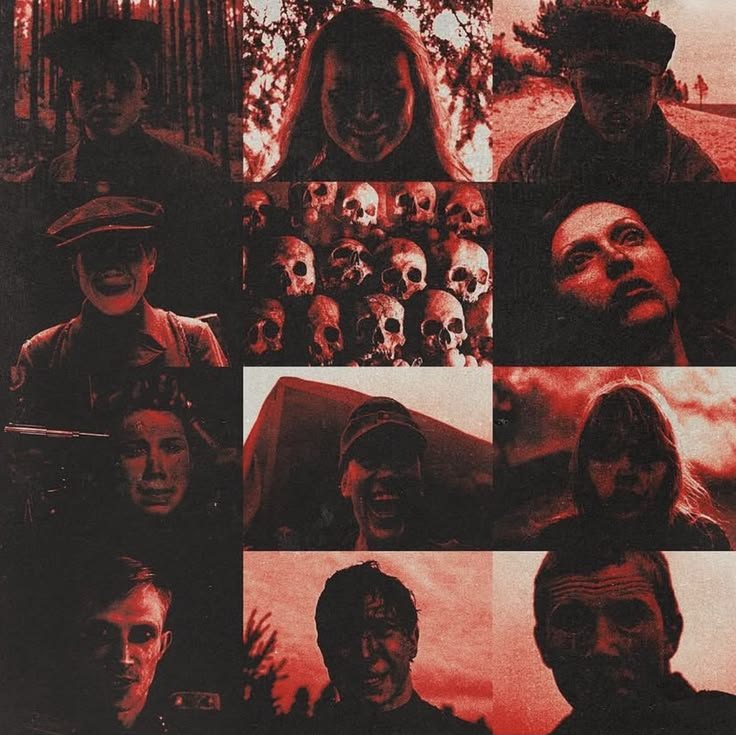
Before I come to the film and what it means, one fact needs to be said plainly and accepted: it was the Soviet Union, the Red Army, that broke the back of Nazi Germany and its Führer. Allied supplies, shared burdens and joint planning brought great strength together, and battles such as Normandy and the evacuation at Dunkirk have gone on to fill many films and television shows. But it was pure human sacrifice—Soviet soldiers walking into a death machine that ate men—that did the most to bring Hitler’s regime to its end.
For the record: around 27 million Soviet citizens, soldiers and civilians, died in the war, and the great majority of the German army’s losses came on the Eastern Front. Belarus alone lost roughly a quarter of its people.
The war years are remembered first, and rightly, for the Holocaust. But Germany’s eastern campaign, Operation Barbarossa, was driven by its own deep-seated fear and hatred: of Russians and other Slavs, whom the Nazis saw as a weak and lesser people, and of Bolshevism, which Nazi propaganda painted as a Jewish creation. The German death machine—the SS working side by side with the regular army, the Wehrmacht—shot and burned its way through village after village, above all in Belarus and Ukraine. To fight back, the people of these occupied lands gathered into their own bands of resistance. They came to be called the partisans. They served as the Red Army’s militia wing behind enemy lines and hurt the German military wherever they could, through ambush and sabotage.
The war behind the film
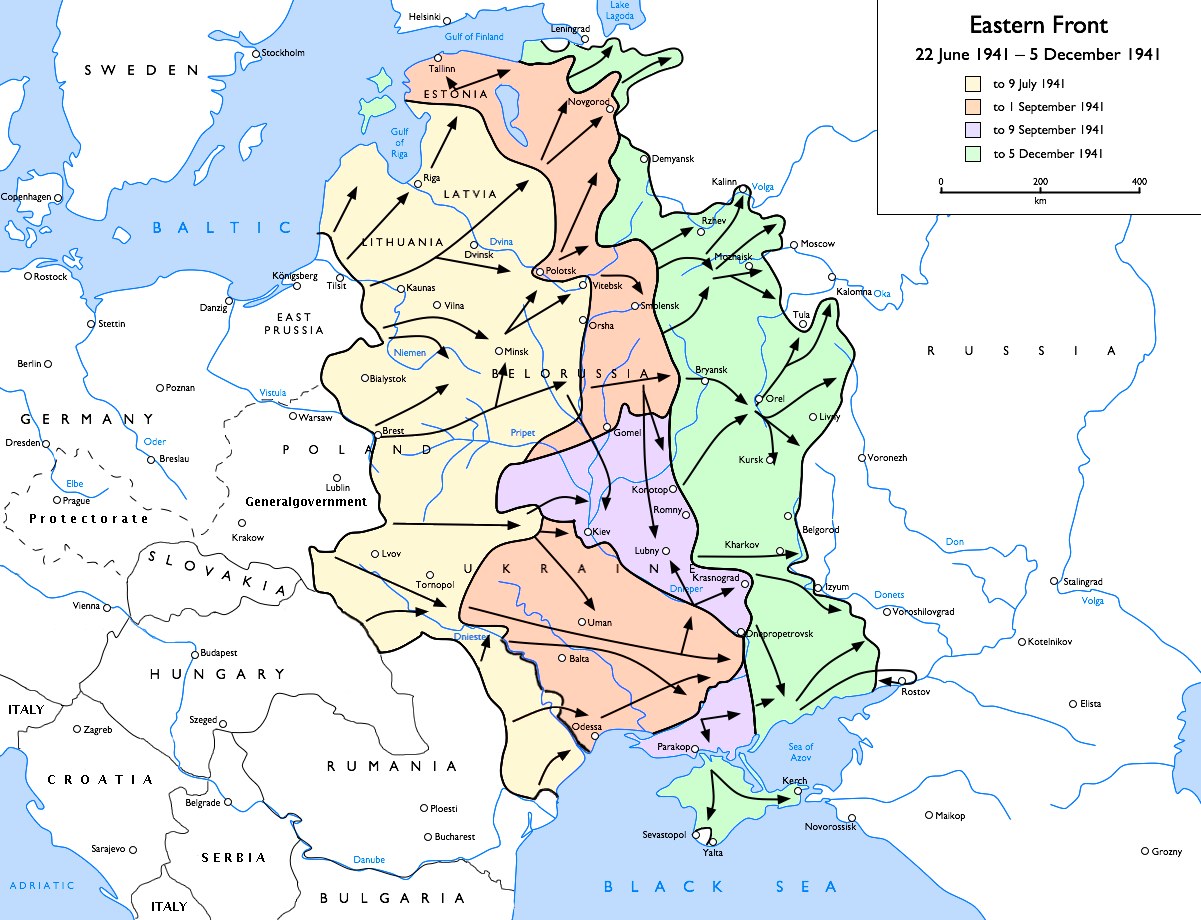
Before we follow Flyora into the forest, it helps to see the ground he stands on. On 22 June 1941, Germany invaded the Soviet Union along a front that ran from the Baltic Sea to the Black Sea. Belarus lay straight in the path of the main thrust towards Moscow. Within weeks it was overrun, and it stayed under German occupation for three years.
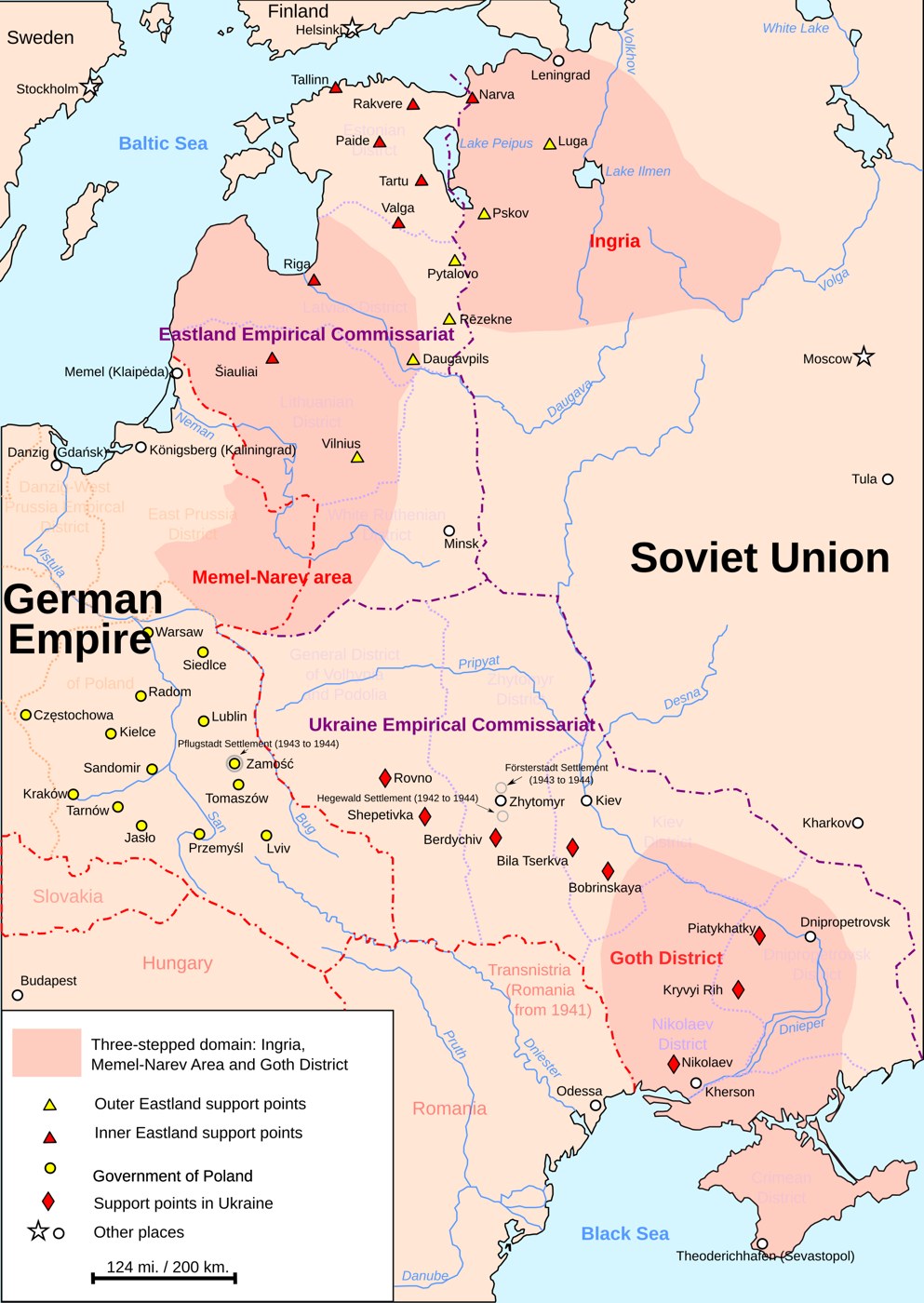
This was never meant to be an ordinary war of conquest. Nazi planners drew up the “Master Plan for the East” (Generalplan Ost): the lands of the East were to be emptied of most of their Slavic people—by expulsion, hunger and killing—and filled with German settlers. The villages in the film stood on land that, in this plan, was meant to have no people left on it.
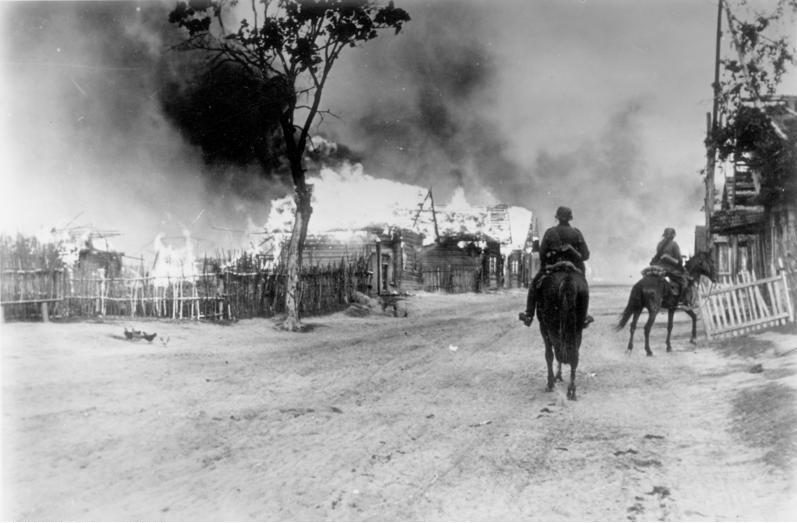
What followed was among the worst occupations of the whole war. More than two million people were killed in Belarus in those three years—about a quarter of the population, by some counts nearly a third. Around half a million of them were Jews, murdered in the Holocaust. More than 9,200 villages and settlements were destroyed and burned, some of them several times over. Families were rounded up and shipped west as slave labour.
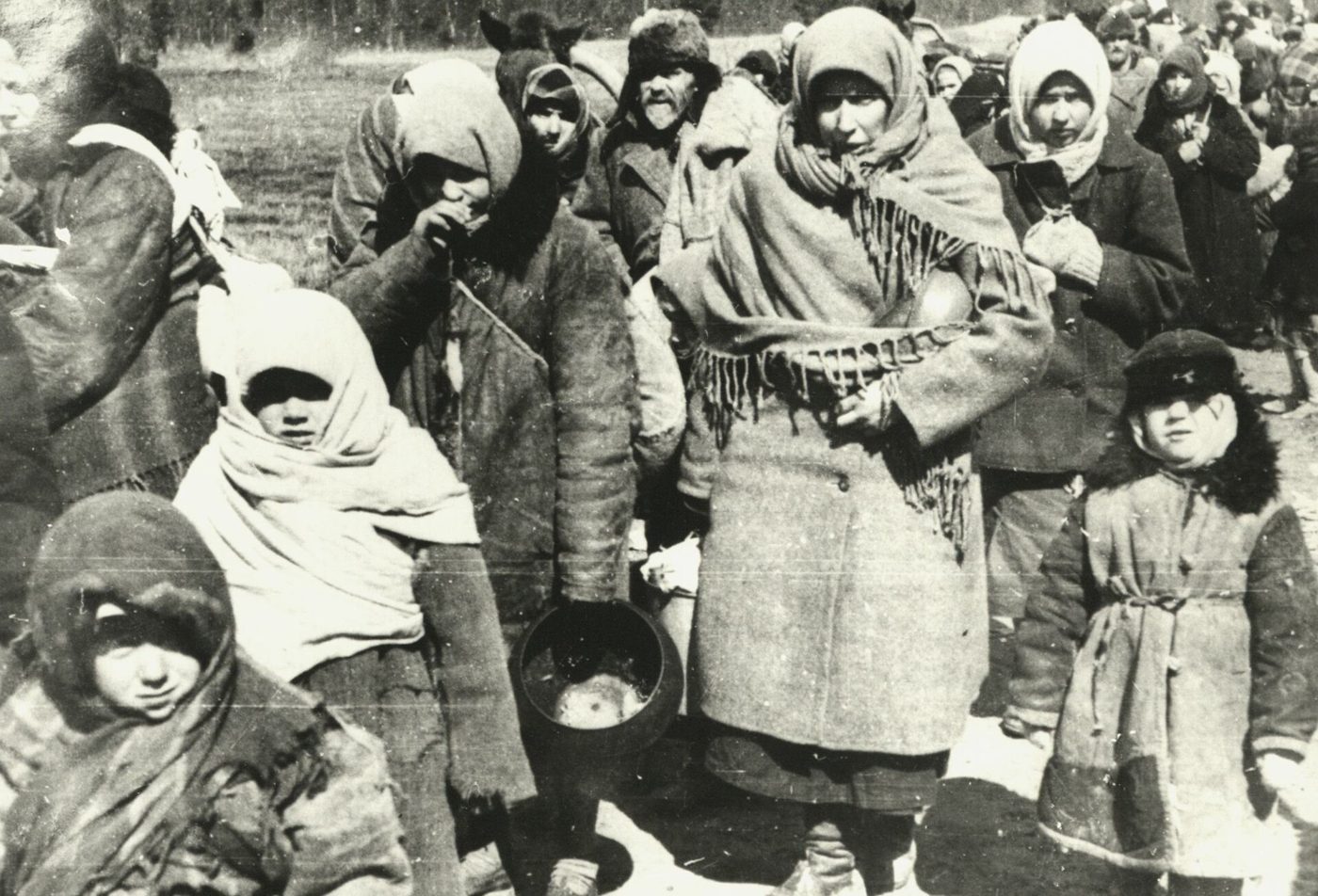
The partisans
Against this, ordinary people went into the forests and swamps. The partisans blew up railway lines and bridges, cut telegraph wires, raided supply depots and ambushed German soldiers. They began as a few thousand in 1941; by the summer of 1944, according to Belarusian official figures, there were some 374,000 of them. Among them were Jewish fighters who had escaped the ghettos.
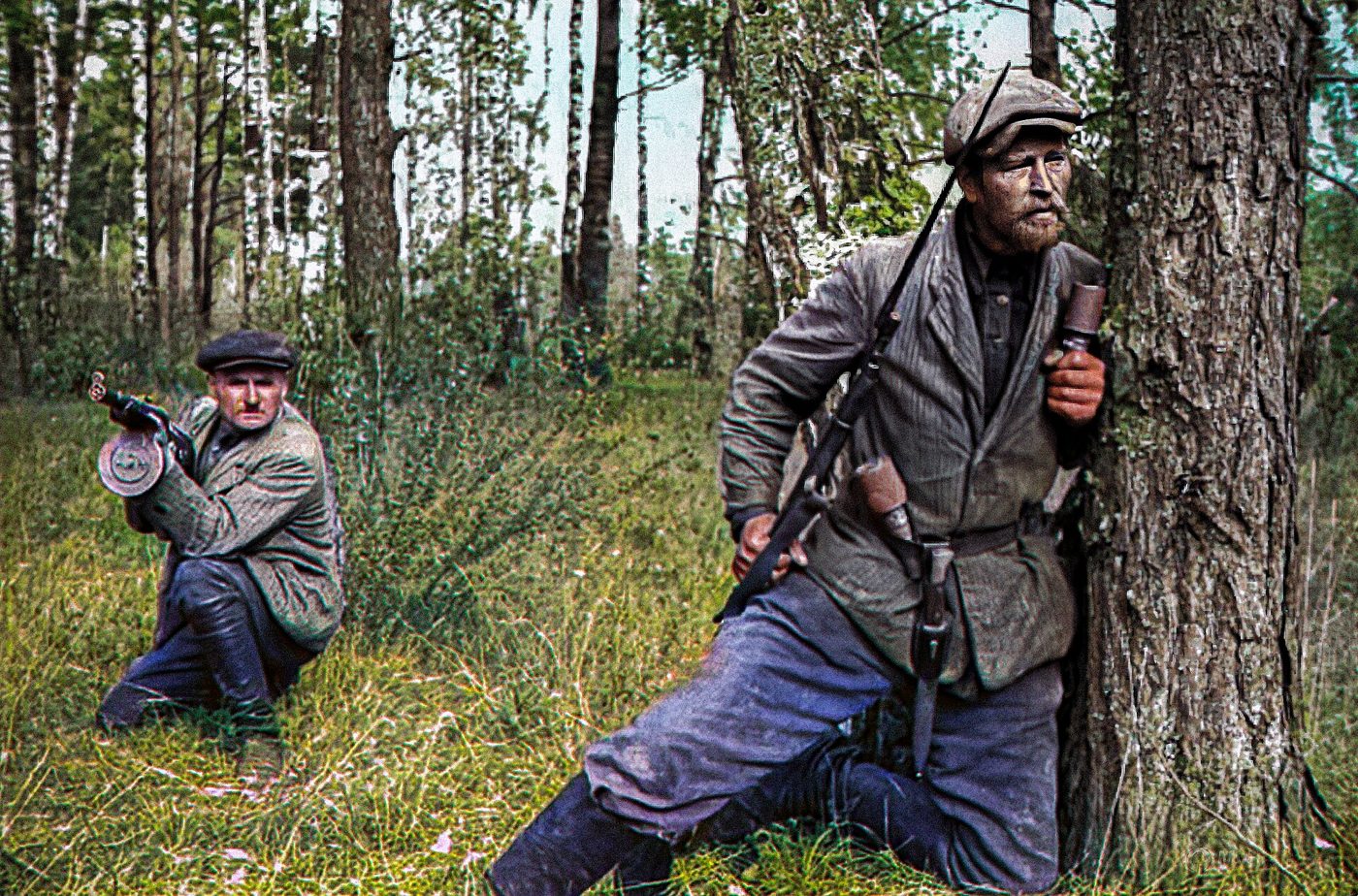
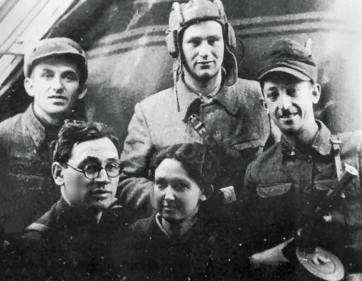
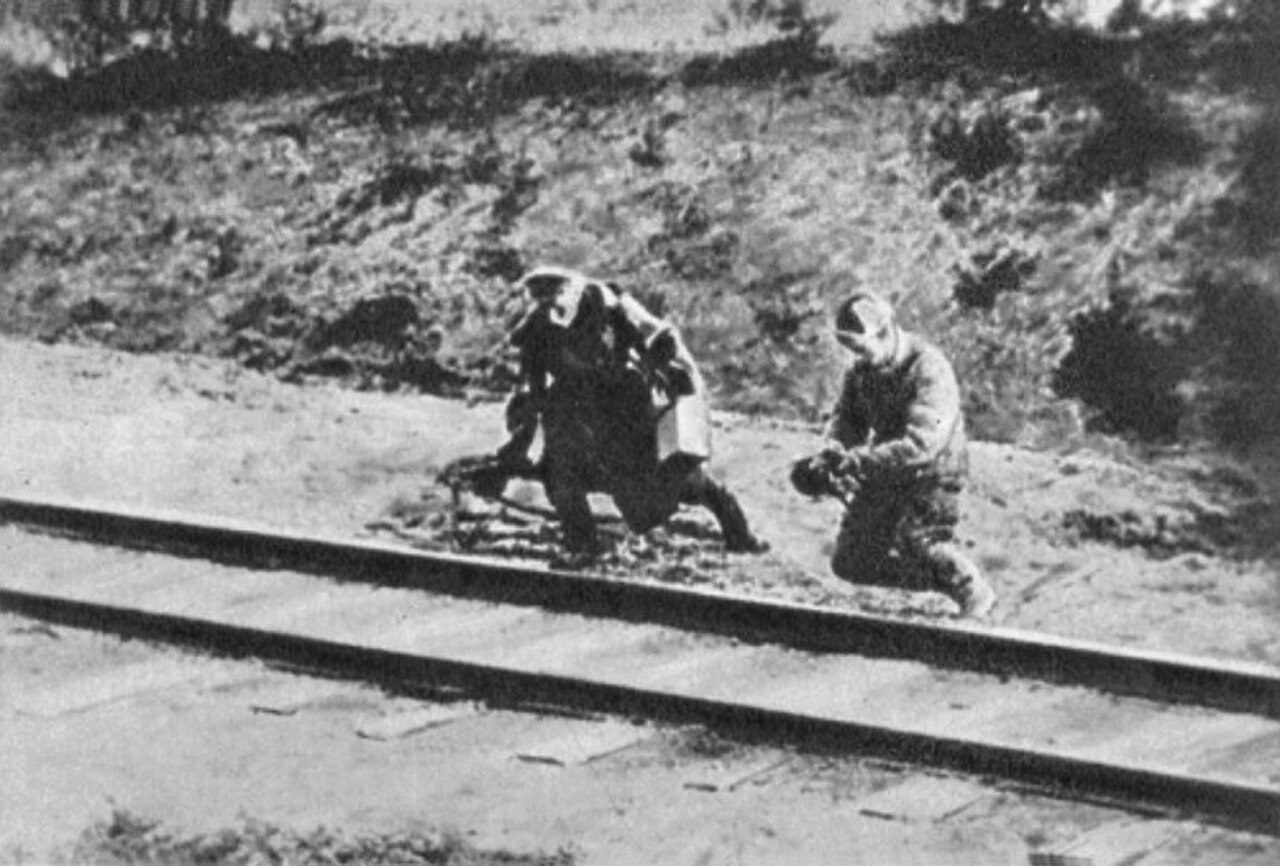
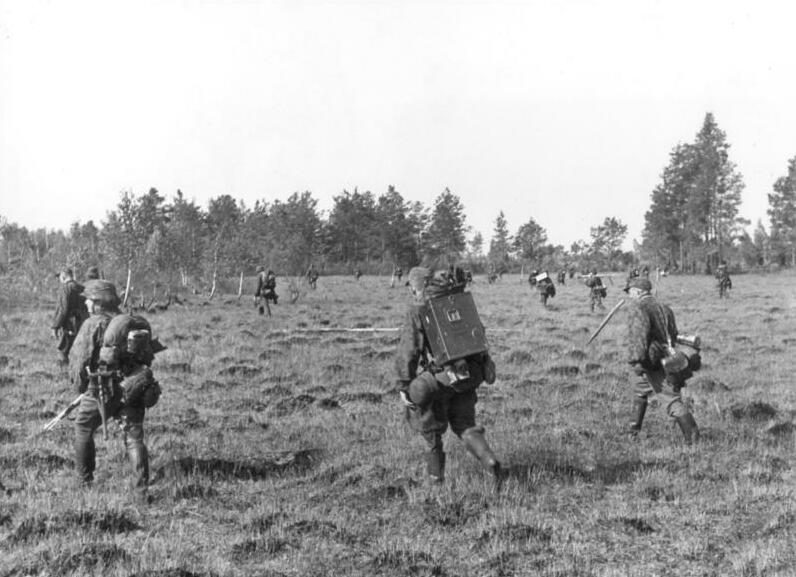
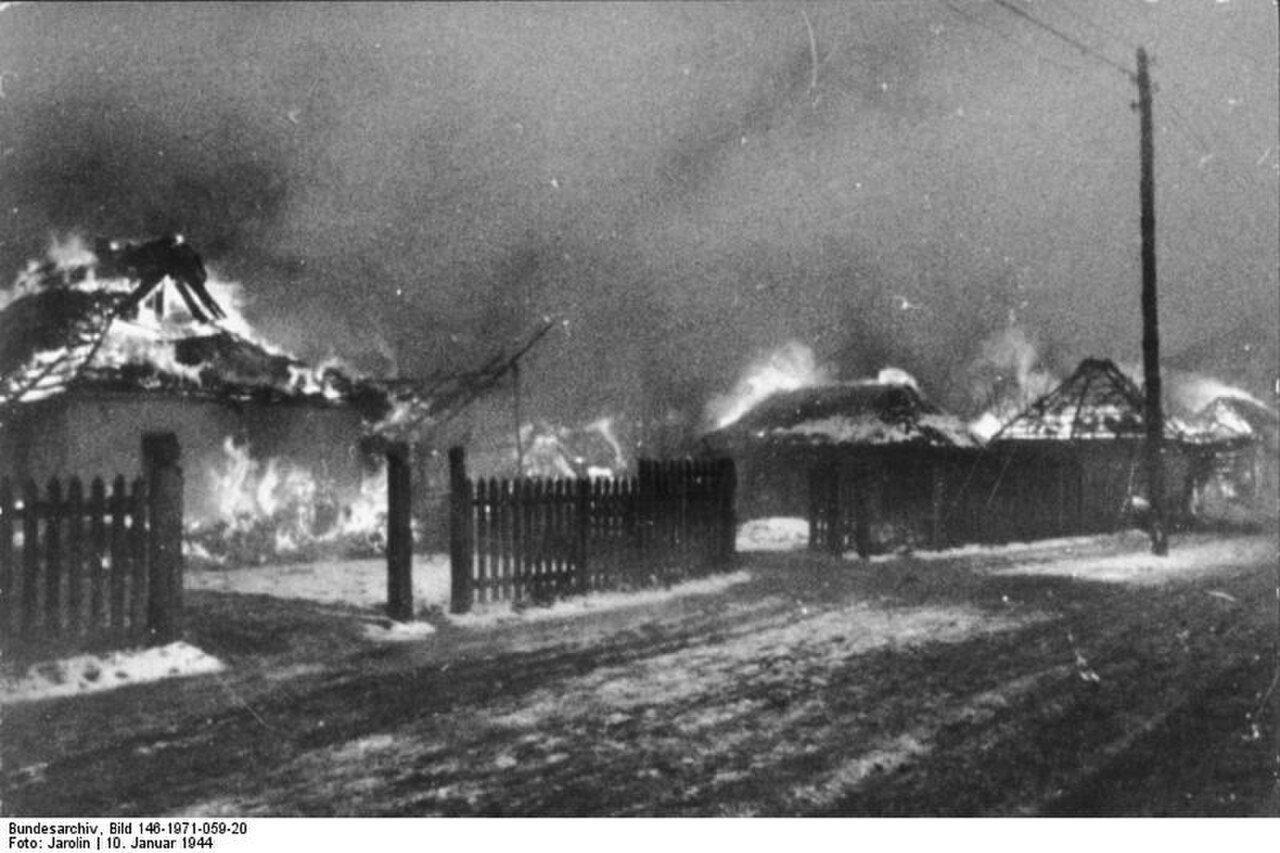
The Germans answered with what they called “bandit fighting.” A partisan attack was punished by wiping out the nearest village. SS and police units, with local collaborators, swept through forests and marshes, and in 1943—the year in which Come and See is set—the burning reached its peak. Of the Belarusian villages destroyed in these punitive raids, nearly two-thirds were destroyed in 1943 alone.
Khatyn
On 22 March 1943, partisans ambushed a German police column near the village of Khatyn, north-east of Minsk, and killed four of its men. That afternoon, Schutzmannschaft Battalion 118—made up mostly of Ukrainian and other collaborators—and the SS Dirlewanger unit surrounded Khatyn. They drove its people into a barn and set it on fire. Those who broke out were shot. 149 people died, among them 75 children. Only a handful survived.
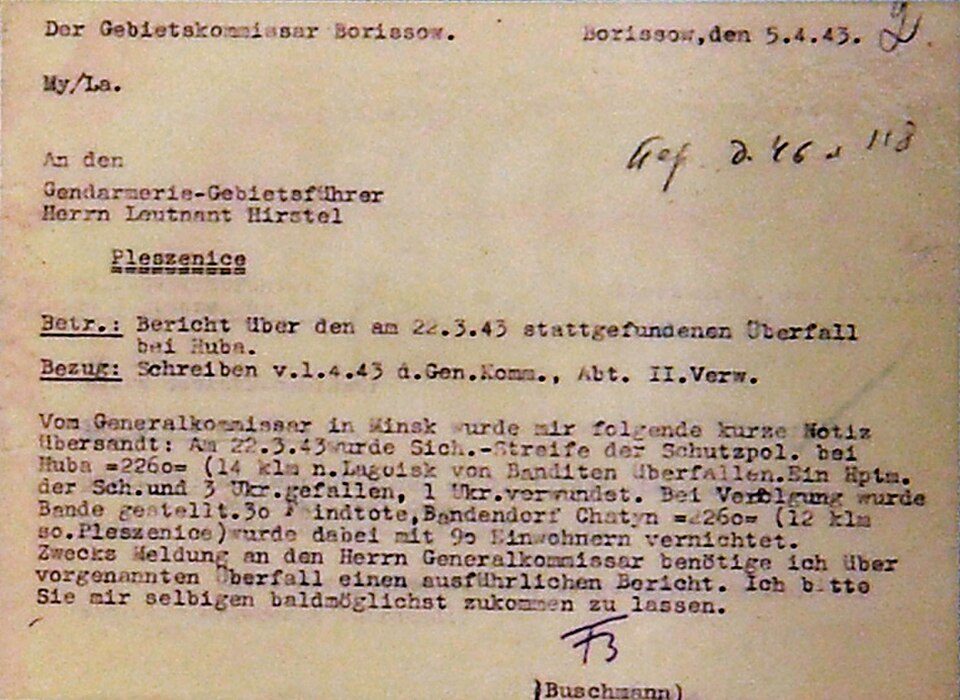
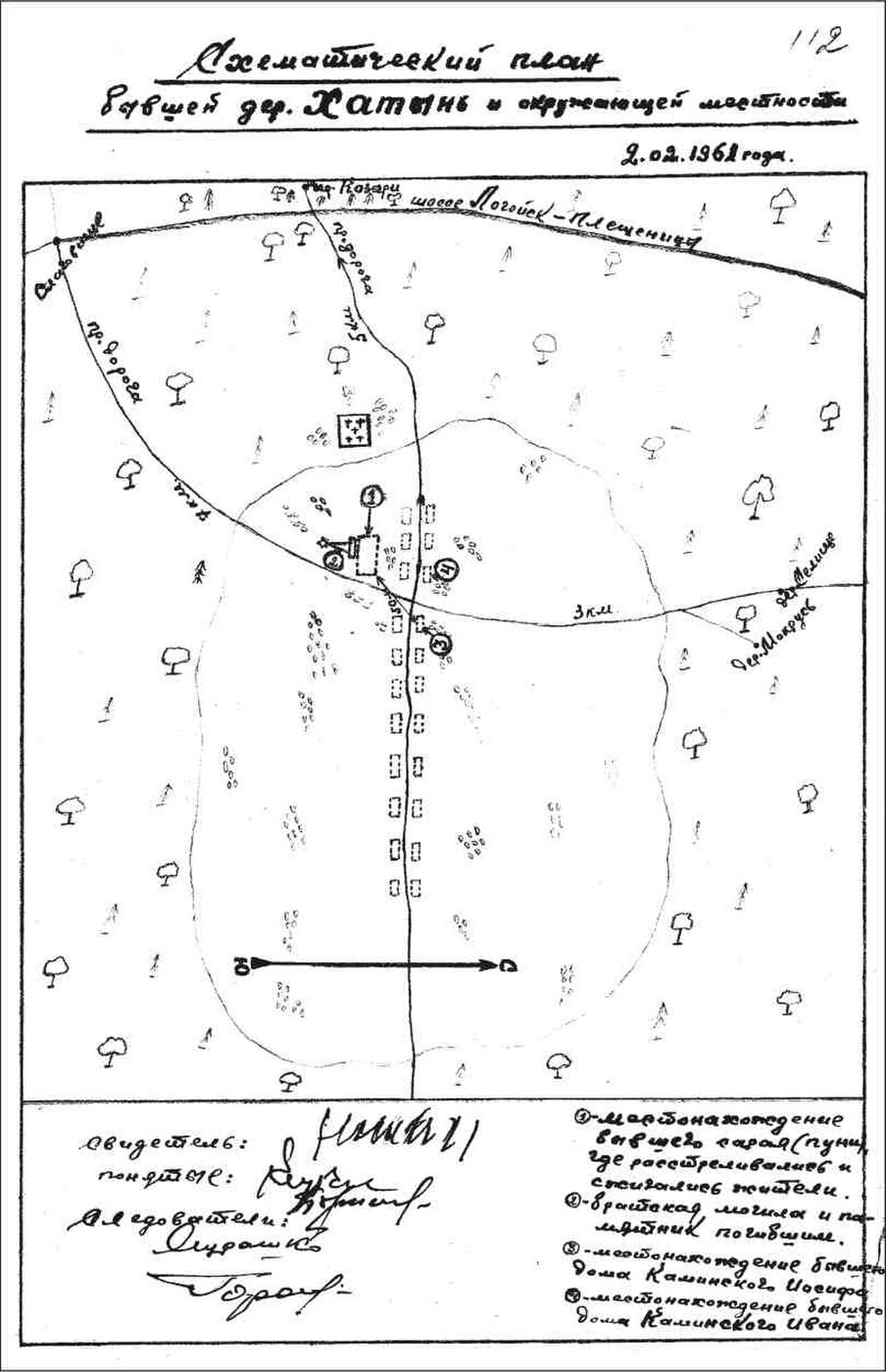
Khatyn was not unusual. It was one of more than six hundred Belarusian villages burned together with their people. Ales Adamovich, who wrote Come and See with Klimov, had fought as a teenage partisan himself, and spent years recording the voices of survivors of these burned villages. His book Khatyn is one of the sources of the film. The burning church in the film’s last hour is Khatyn, and every village like it.
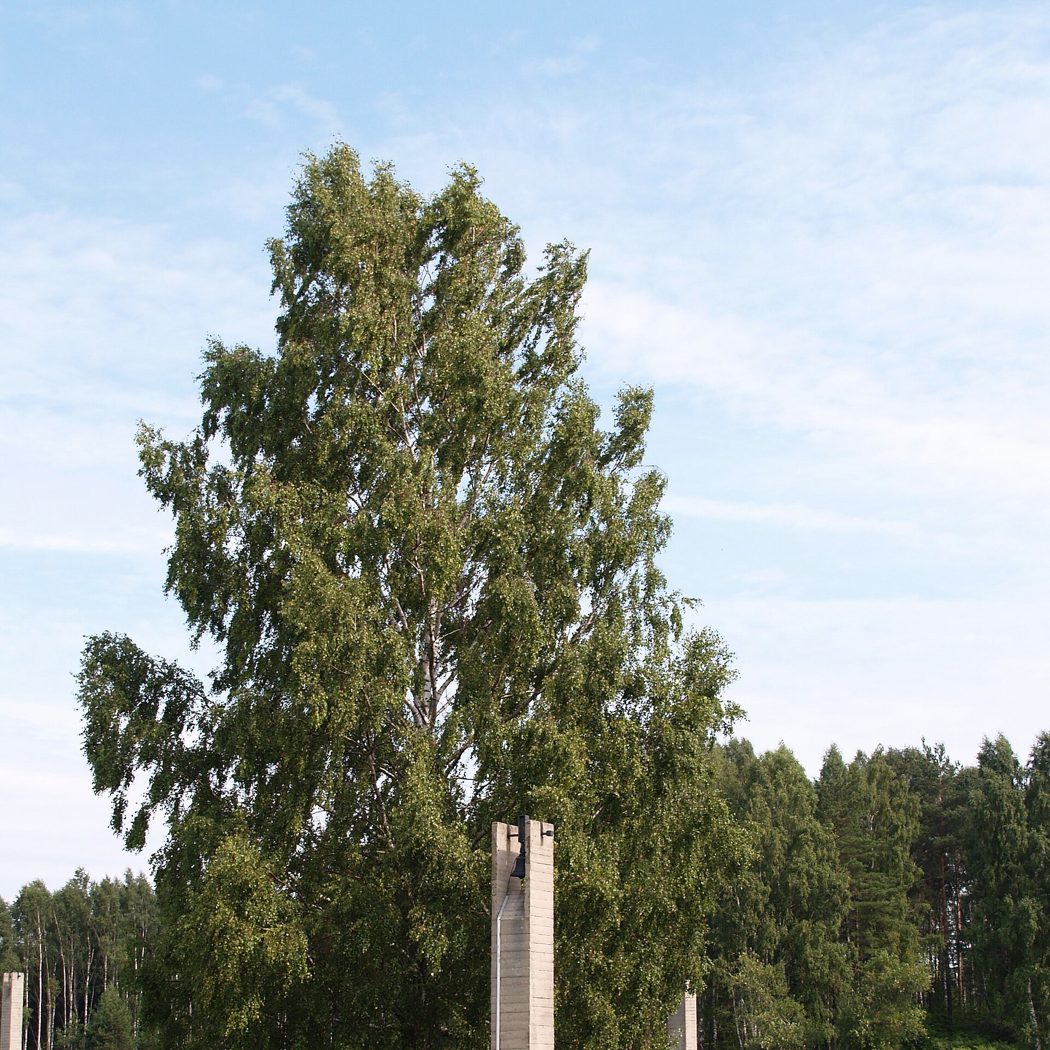
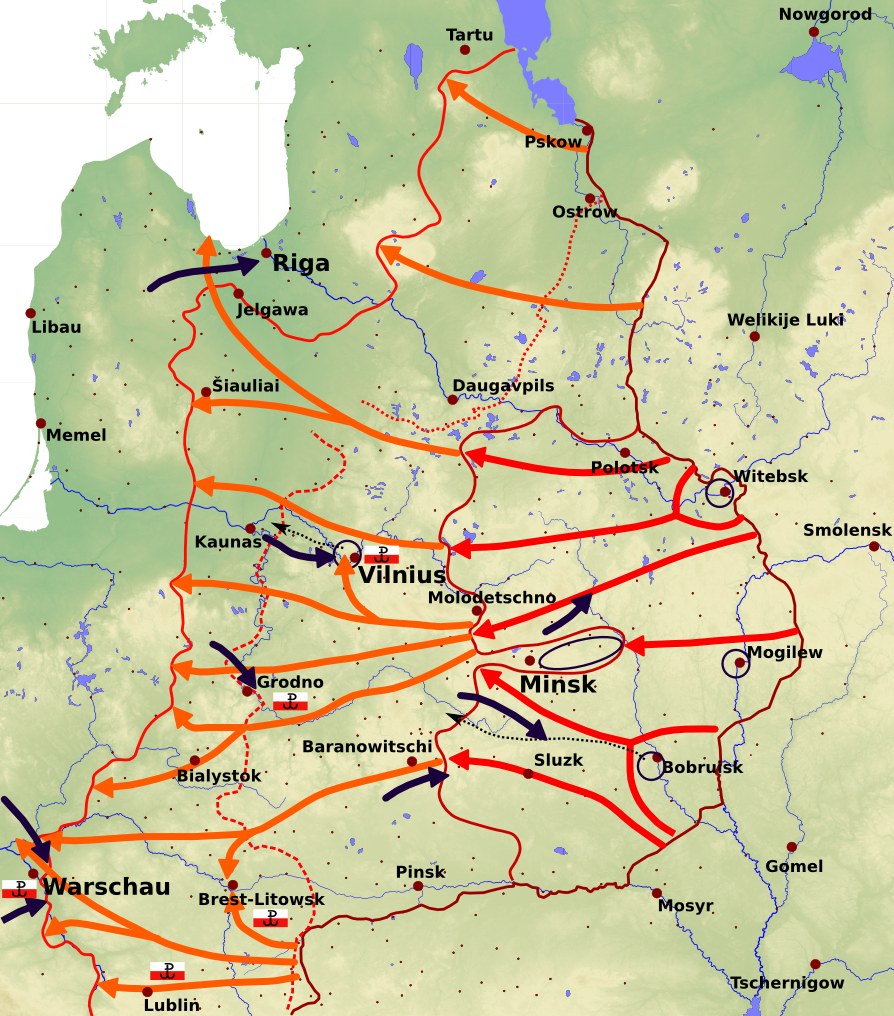
The occupation ended in the summer of 1944. In Operation Bagration, launched in June, the Red Army smashed the German army group in Belarus; Minsk was freed on 3 July, and by the end of August the whole of Belarus was free. Flyora’s war, and the film, end a year before that—in the middle of the fire.
A boy who wanted to be part of something larger
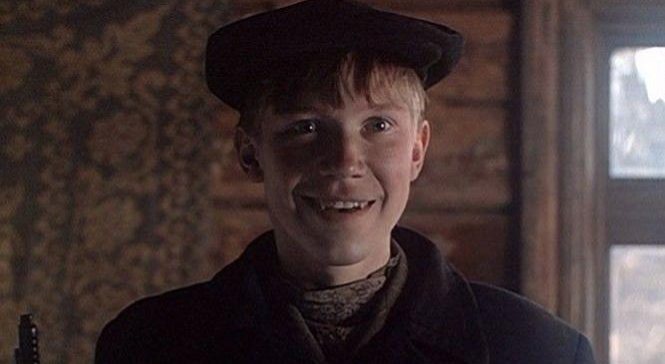
The film tells the story of a young boy, Flyora, who is thrilled by the martial charm of the partisan war: its leaders, their fiery and patriotic zeal, the sense of a fight that feels almost ordained by God. In the very first scene he is digging in the sand with another boy, hunting for a rifle buried with the dead of an earlier battle, because without a gun the partisans will not take him. He finds one. He is excited. He wants to become a partisan, make a name for himself, become part of something larger, feel powerful. His mother cries and begs him not to go, to think of her and his little sisters. She throws herself on the floor. He insists, and he leaves.
The rest of the film is a slow, gradual unfolding of exposure, of de-romanticisation, of disillusion and, above all, of violence. And the violence I mean is the subtlest kind: bitterness, self-hatred, complete alienation, a cutting-off from the basic emotions that hold a human life together. By the end, Flyora has nothing left to hold him together.
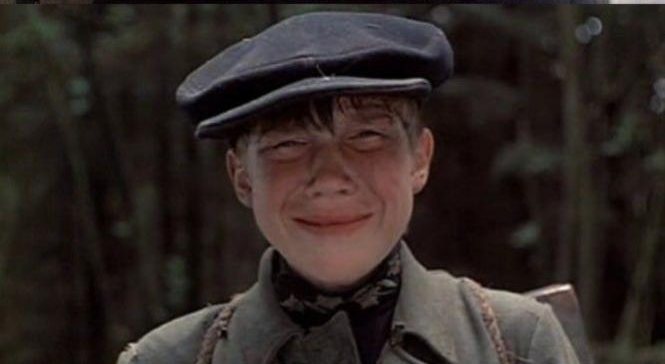
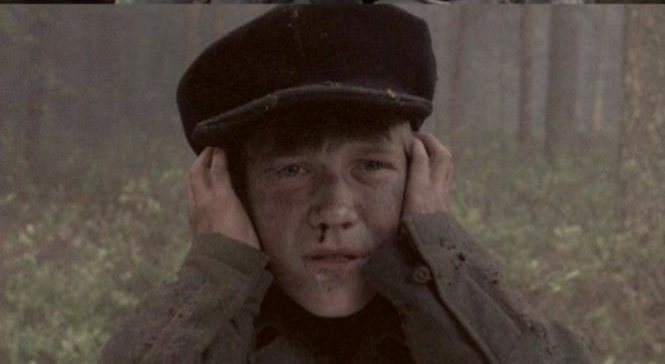
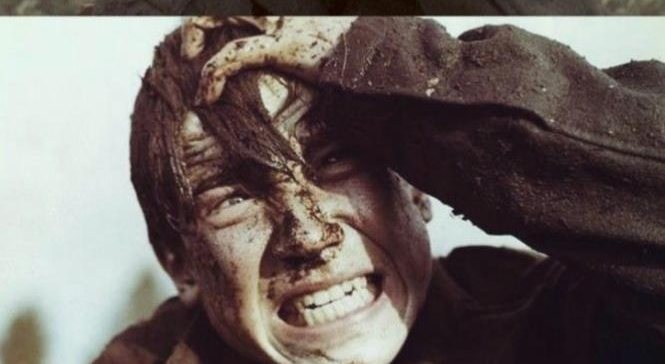
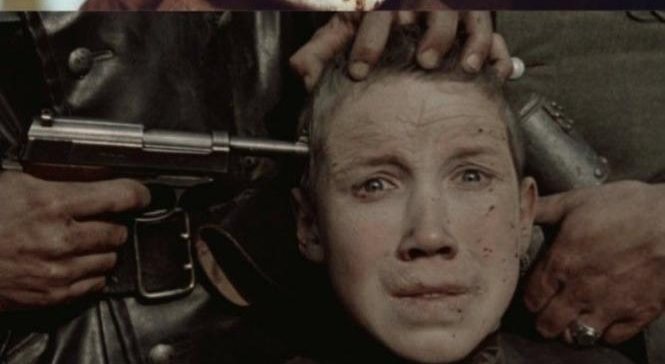
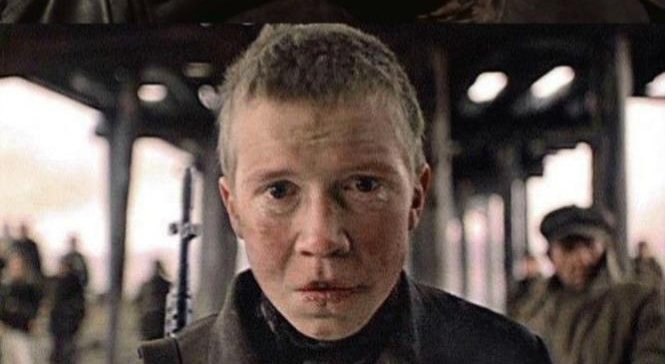
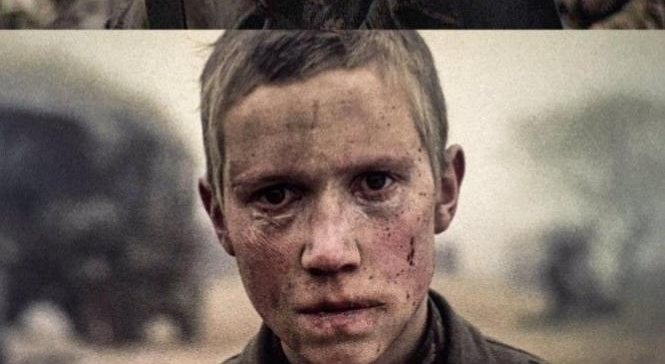
His face becomes a written record of what the war does to him.
The film is a cinematic masterpiece, as I will try to show. It took years to build—the Soviet censors sat on the script for seven years before it could be made. Some scenes were shot with live ammunition while the actors crawled on the ground; the lead actor, Aleksei Kravchenko—only fifteen at the time—has said that real bullets passed about ten centimetres over his head. Then there is the hunger, the weakness, and the slow erosion of Flyora’s face. Within months he begins to look decades older. His face becomes a written record of the marks that war leaves on him.
The same fields everywhere
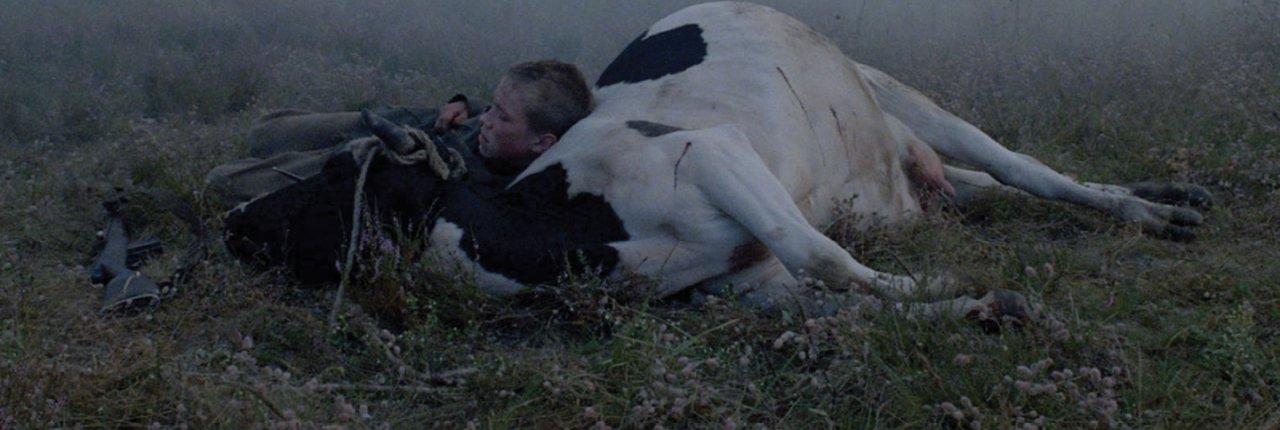
Those of you who saw villages in your childhood and youth—who were unburdened and free there, a little less restrained—will find this landscape familiar. It will speak to you directly. The slow evenings, the rain, the mud, the still fields, the barns, the crops, the smell of wet straw and wood smoke. It does not change. Every country and every geography has such landscapes; dawn and dusk are much the same everywhere.
The only thing that is different is the war machines moving through that beautiful landscape. Imagine vast stretches of ripe, golden-yellow paddy fields, warmed and nurtured by the winter sun—the kind of quiet touch the earth gives to man, a solace, a reassurance—and then think of machines arriving to flatten those fields, burn the villages, maim and rape the people. A deliberate, reasoned, well-measured movement, statistical and scientific, kept in records: completely cold and highly competent. It is the purest form of a mechanised mind. How remote, how cut off from the basic hold of life and the small meaning of daily living, must a society become—its collective force, its collective identity—before it sees the entire landscape of Russia and its people as a final problem, and their wiping out as the final solution?
This was not geopolitics or the hunger for power alone. It was hatred—complete hatred. And what that hatred pushed the Nazi government and its military to do, they began doing and carried to its extreme, because there was no walking back. If by any chance, by any chance at all, Soviet Russia won the war in the east and somehow reached Berlin, the hatred would be returned. For the sake of sanity I will not reproduce the figures of what the Red Army did in Berlin. But what had happened to the entire mental landscape of the Soviet soldier can be measured by the horrors they committed there: rape, murder and plunder.
The choice of a young boy, full of passion and enthusiasm and a tightly gathered will, is deliberate. The film drags him, beats him, tortures him through the turns of the war. It brings tragicomic lines out of his mouth. It changes his face. It brings a grin to his face—a grin born of fate’s tragic mockery, of the crushing weight of fate over dreams, of how fragile life is and how fragile a dream is. The sadness and grief become so strong that, in the end, they have to turn into a joke, so that he does not kill himself. Humour surely rises in minds that have known pain, or are often visited by it. Humour, at bottom, is laughing in the face of death—and in the face of life too.
Glasha, in the rain
Early in the film Flyora meets a young girl, Glasha, at the partisan camp. When the fighters march off, Flyora is left behind, and soon German planes and shells tear the forest apart. The blasts leave him half-deaf—for a long stretch we hear the world as he does, through a dull, ringing hum. The two of them hide and shelter together for a few days. A stork walks among the trees. The rain comes down and Glasha dances in it, soaked, laughing, half-mad with relief.
This is the part of the film that opens up and lets the hopes and dreams of a young mind bloom, with all its dreamy aliveness. In her delirious joy, almost in a trance, the girl admits what she wants, her deepest desire. Even in the madness of war she hopes that once it is over she will dance, she will laugh, she will love, and she will have children. This is a young girl’s own confession. In the middle of so much deadness, in a world stripped of its humanity, the very seeds of birth, of newness and the onward movement of life, stand unweathered. The human calling is intact. For a handful of days—days you could count on your fingers—the two of them find a happiness, hold it, and guard it for themselves.
The warm pot
After losing their group, Flyora wants to go home, to see his mother and sisters. They start walking, and after a long journey they reach his village. This is one of the most tragic scenes in the film, and the way it is done—subtly, through small circumstances, through symbols—delivers a sharp terror and a sharp madness, a deep piercing of the heart that could stop it, that chokes the throat and rips the head apart.
This is masterful filmmaking. You sit thousands of kilometres and many decades away. In time and place, in culture and history, you are different from these people. But the tenderness of village life, its shared strength, and the way it is wiped out as if it meant nothing—as if it simply meant nothing—reach you all the same.
They enter the house and find no one; the whole village seems abandoned. Flies buzz in the silence. Flyora touches the cooking pot: it is still warm. His mind has not yet pieced together what has happened, because that would be unbearable—a storm waiting just outside the door of his mind. He tells Glasha that his mother and sisters must have stepped out, which is why the food is still warm, and he starts to eat. Then, slowly, he notices his sisters’ dolls lying on the floor.
As the two of them run from the village, Glasha looks back over her shoulder and sees what Flyora does not: behind one of the houses, the bodies of the villagers piled against the wall.
Still his mind refuses to accept it. He drags Glasha through muddy river tracks, through hard ground and swamps that seem impossible to cross, hoping the village people have fled to a safe place on the far side. He finds some of them—but not his family. They have been shot dead. This is the moment you see the pain of a heart that cannot take it in: his mind being torn apart, his head splitting, his whole being forced to face a reality that no one can live with. He tries to sink himself into the bog, and Glasha screams and pulls at him.
The burning
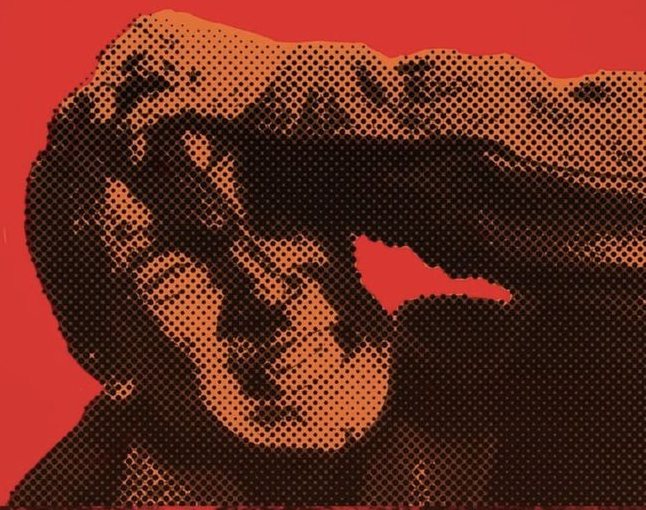
In the penultimate sequence, the Germans and their collaborators surround another village. The villagers are herded into their wooden church, the doors are nailed shut, and the building is set on fire, sprayed with flamethrowers and pelted with grenades. The soldiers laugh, drink, take photographs, play music; they draw their ultimate joy and recreation from it. Flyora himself is held down with a pistol to his head so that the soldiers can pose for a souvenir photograph. Among the victims of the day is a bedridden old woman, carried out of her house on her bed and left in the open yard. From there she hears the cries and screams of the burning people—her own village, its fields, its thatched roofs going up in flames.
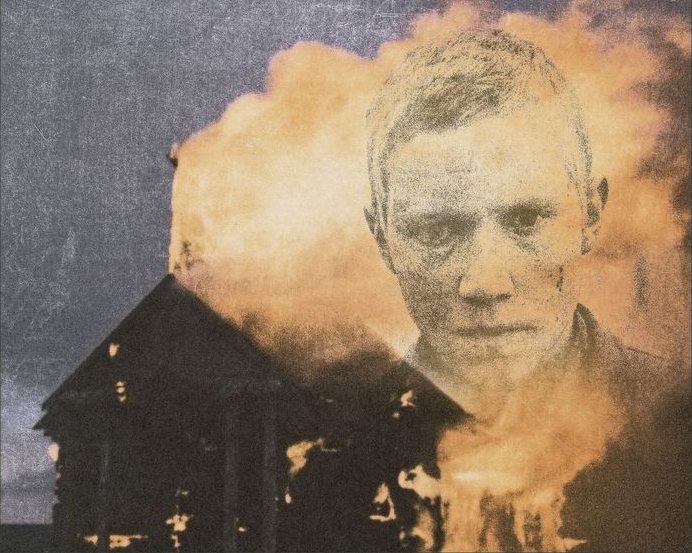
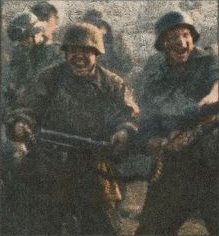
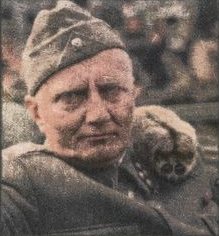
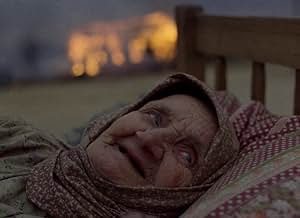
The filmmaker shows, with a grieving will, what it means for a woman who has spent many decades in the life of this village—now old, unable to move, frail and close to death—to witness such an inhuman act. Something that destroys every trace of warmth and closure; something that wakes you and horrifies you and leaves you in endless unease and pain. Why? The question lingers. What sort of joy would that be? And yet it all happened, and something like it may be happening somewhere in the world even now.
Beauty in the back of the truck
In the middle of this carnival of death, Klimov cuts to something that is harder to look at than the fire. In the back of a German truck sits a woman—young, pretty, neat, in uniform, one of the women who served with the SS. Her hair is in place. Her face is calm. While the church burns and the screams rise, she is eating a delicacy, slowly, with pleasure, as if she were at a picnic. Reviewers describe it as lobster. Above the fields, all through the film, the German reconnaissance plane hums and circles, watching from above.
This one image says what Nazi Germany was. A society that worshipped beauty, order, health and glory—the perfect body, the clean uniform, the polished boot, the fine meal—and built that perfection on a pit of filth. Beneath the beauty was the stench of burning flesh. Beneath the perfection was the cruelty needed to protect it. The more they spoke of purity, the more they had to kill to keep the picture clean. She does not feel anything, because she has been taught that the people inside the church are not people. That is the real horror: not the monster, but the pretty, ordinary woman who eats her lunch beside the fire.
To love, to bear children
Just after the troops leave, Flyora sees a young girl stumbling towards him like a corpse without life, a whistle stuck in her mouth, blood running down her legs. She was dragged out of the burning church by her hair and thrown into a truck full of soldiers, who gang-raped her. She is so young and so broken that for a moment she could be Glasha—the girl who shared her hopes and dreams with him in the rain. And a tragic mockery falls out of his mouth, in Glasha’s own words: to love, and to bear children.
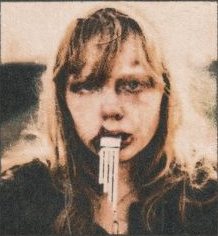
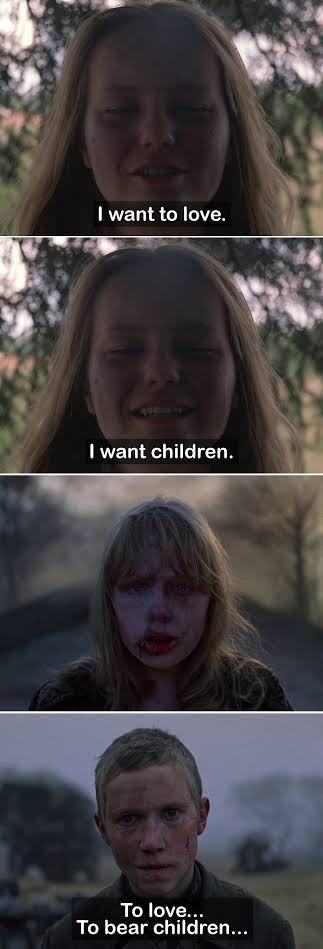
“To love… to bear children…”
The portrait in the puddle
The film moves to its close when some of the German troops and their collaborators are caught by the partisans. Some deny the horrors they committed. Others gladly own them and say they would do it again, because Russians, Jews and peasants are a lower race, worms, and it is a God-given mission to build a great civilisation by wiping out the people they consider useless and troublesome. They are all shot dead by the partisans.
In the last scene, Flyora finds a portrait of Hitler lying in the mud. His anger, frustration, bitterness and terror burst out in a dreamlike, delirious, mad montage—one that is meant for all of us—in which history runs backwards. The war, the declaration of war, the annexations, the rise of Hitler, the power of the SS: tanks, valour, German crowds roaring their applause, the concentration camps. With every image Flyora fires again at the portrait, until the last image turns out to be a baby—Hitler as an infant on his mother’s lap. Does he shoot him too? Does he kill a baby in his mind, so that none of it ever happens? After losing his mother, his sisters and everyone he had, to a cruel turn of fate that was not really fate at all but human design—German design—would it all end with the killing of Hitler as a child?
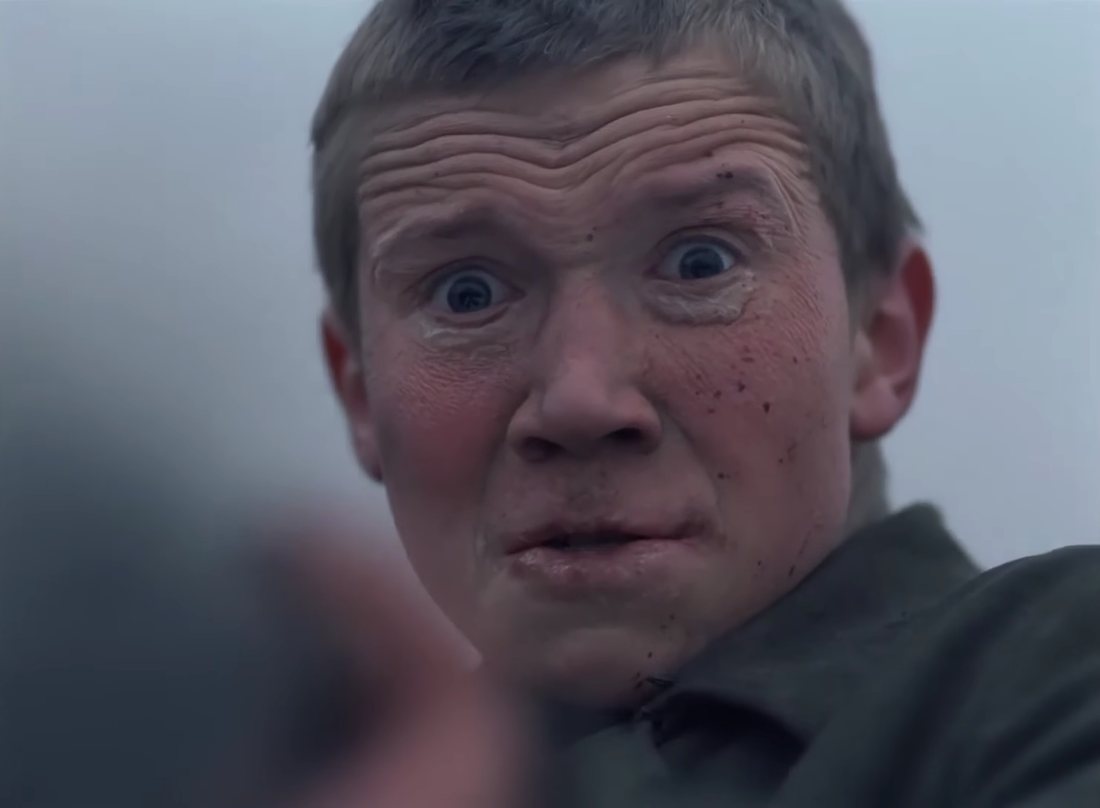
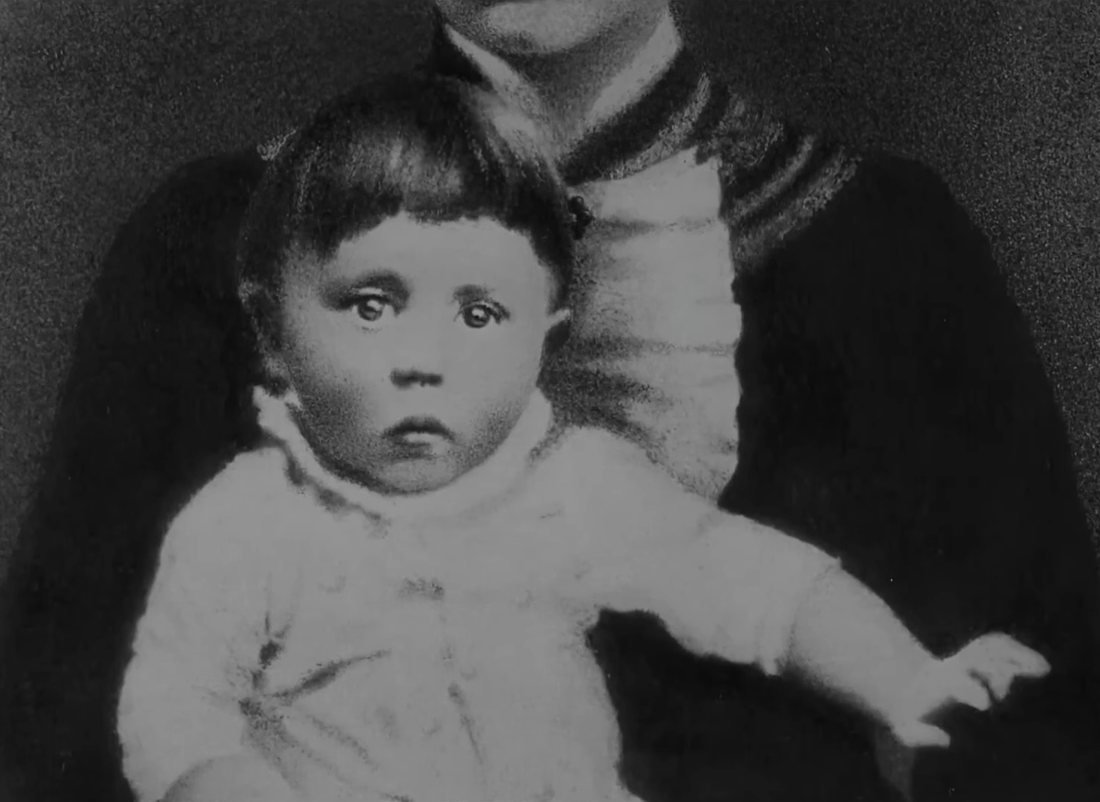
And Flyora cannot shoot. After everything, he does not kill a baby.
He lowers the rifle and runs to catch up with the partisans. The column marches away into a birch forest, white trunks flicking past in the winter light, while Mozart’s Lacrimosa—the “day of tears” from his Requiem—rises over them. Then the final title appears: 628 Belarusian villages were burned along with all their inhabitants. Klimov had first wanted to call the film Kill Hitler. He settled instead on the call of the fourth beast: Come and see. We are asked to come, and to see. Flyora saw, and still chose not to become what he had seen.
Where to watch
Come and See (Idi i smotri), 1985. Directed by Elem Klimov. Written by Ales Adamovich and Elem Klimov. With Aleksei Kravchenko (Flyora) and Olga Mironova (Glasha). Mosfilm and Belarusfilm. 142 minutes. Belarusian, Russian and German.
References and material used
Sources for facts in this review
- “Come and See,” Wikipedia — plot details, cast, the church burning, the young woman after the massacre, and the reconnaissance plane.
- Come and See, The Criterion Collection — cast, crew and restoration.
- Come and See, Apple TV (Criterion description) — the seven years Soviet censors took to approve the script.
- Come and See (1985), IMDb — use of live ammunition during filming.
- Maya Evans, “40th Anniversary Review: Come and See,” Slovo (UCL) — Aleksei Kravchenko’s age during filming.
- Slant Magazine, Blu-ray review of Come and See — the closing title on 628 Belarusian villages.
- Criterion Forum, Come and See Blu-ray review — Klimov’s original title, Kill Hitler.
- “#272: Come and See,” June Gloom (Medium) and “Beholding the Face of Death,” It’s Only a Movie (Medium) — the SS woman eating in the truck.
- Turner Classic Movies, article on Come and See — production background.
- Time Out, on the film streaming free on Mosfilm’s YouTube channel.
- “German occupation of Byelorussia during World War II,” Wikipedia — deaths, destroyed villages, liberation.
- “Khatyn massacre,” Wikipedia and Smithsonian Magazine on Khatyn — the events of 22 March 1943.
- “Khatyn Memorial,” Wikipedia — the burned villages and the year-by-year pattern of destruction.
- “Belarusian resistance during World War II,” Wikipedia and Jamestown Foundation, “The Partisan Movements in Belarus During World War II” — partisan activity and numbers.
- National Archives of Belarus, “Aftermath of the War”.
- The Bible, Revelation 6:7–8, King James Version.
Images
Stills and fan posters of Come and See (Mosfilm and Belarusfilm, 1985), from the author’s own collection. All rights in the film and its images belong to their owners; they are used here for review and commentary.
Archive maps and photographs
All from Wikimedia Commons, used under their licences: map of the Eastern Front 1941 (Gdr, CC BY-SA 3.0); map of Generalplan Ost (John Nennbach and others, public domain); map of Operation Bagration (kl833x9, CC BY 3.0); German Federal Archives photographs Bild 101I-137-1032-14A (Rudolf Kessler), Bild 183-1991-0205-510 (Obermüller) and Bild 146-1971-059-20 (Jarolin), CC BY-SA 3.0 DE; deportation in Vitebsk, 1941, Soviet partisans in Belarus, 1943, Jewish partisan group, 1943, and a frame from Liberation of Soviet Belarus (1945), public domain; German report on Khatyn, 1943 (National Archives of Belarus) and plan of Khatyn, 1961 (KGB Archive of Belarus), public domain; Khatyn memorial (Dave Proffer, CC BY 2.0). The German photographs were taken by propaganda units; their original captions are not reproduced here.
Video clips
Linked clips are hosted on YouTube and Pinterest by their creators, including Cinemamour and Trigger Random. The full film is linked from Mosfilm’s official YouTube channel.